
Transform Your Body: Expert Nutrition Strategies from Wellnessgainpath
Discover the proven nutrition principles used by professional weight loss trainers to help clients achieve lasting results. Learn how to optimise your eating habits, understand macronutrients, and build a sustainable approach to health.
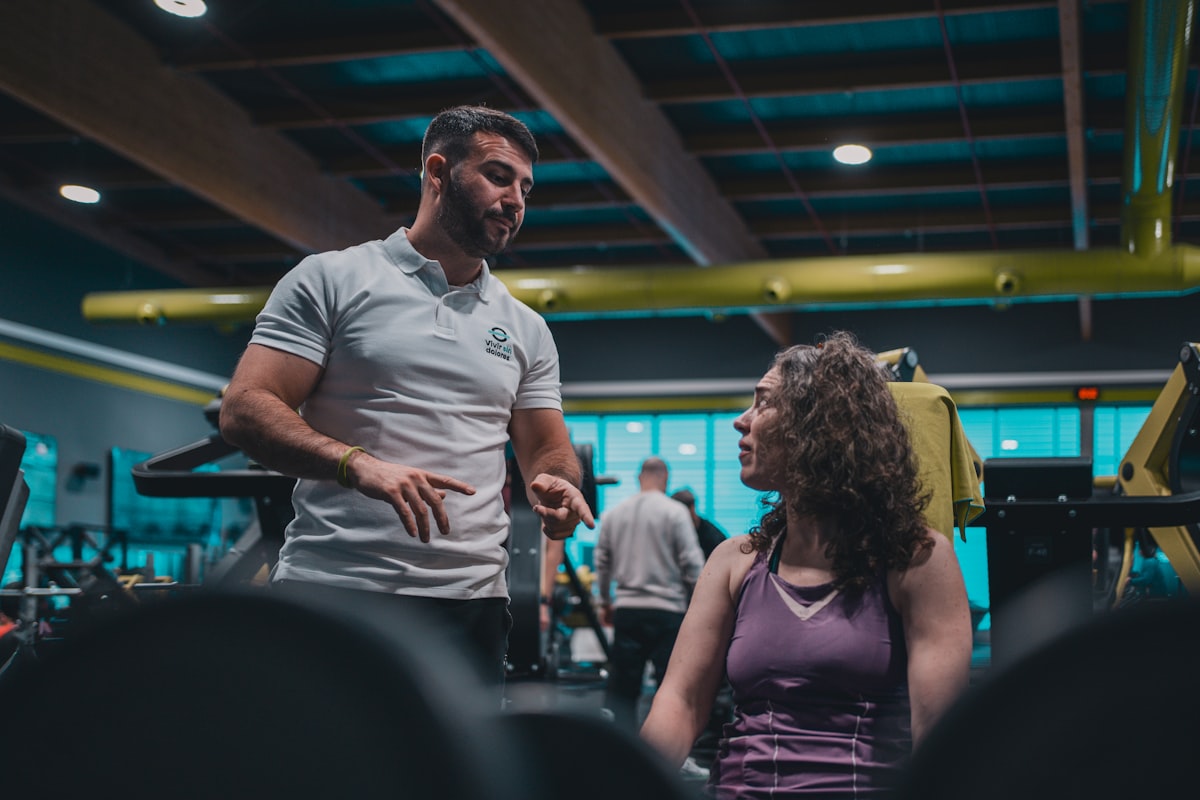
The 4-Step Nutrition Framework
Professional trainers follow a structured approach to guide clients towards sustainable weight loss and improved health outcomes.
Assess Current Habits
Begin by evaluating your current eating patterns, portion sizes, and daily food choices. Understanding where you stand is essential before making changes.
Set Clear Goals
Define realistic, measurable nutrition targets. Whether it's improving energy levels or reaching a specific body composition, clear goals keep you motivated.
Implement Strategies
Apply proven techniques including macro balancing, meal prep, hydration schedules, and nutrient timing to support your progress.
Monitor & Adjust
Track your results consistently and refine your approach based on how your body responds. Continuous improvement drives long-term success.

Why Macros Matter More Than Calories
While total calorie intake remains important, the composition of those calories shapes your results. Professional trainers emphasise macro distribution because protein, carbohydrates, and fats each play distinct roles in body composition and performance.
-
Protein: Builds and preserves muscle tissue, increases satiety, and has the highest thermic effect of food.
-
Carbohydrates: Fuel for workouts and brain function; timing matters for energy and recovery.
-
Fats: Essential for hormone production, nutrient absorption, and long-term satiety.
Balancing these macronutrients according to your goals and activity level creates a personalised nutritional blueprint that works with your body, not against it.
Essential Nutrition Habits
These six evidence-based habits form the foundation of successful nutrition coaching and sustainable weight management.
Consistent Hydration
Drinking adequate water improves metabolism, reduces false hunger signals, and supports nutrient transport. Aim for at least 2-3 litres daily, adjusted for activity level and climate.
Meal Prep & Planning
Preparing meals in advance removes barriers to healthy eating and ensures consistent macro intake. Dedicate 2-3 hours weekly to batch cooking proteins, grains, and vegetables.
Food Tracking Awareness
Understanding portion sizes and calories builds nutritional literacy. Use tracking apps or a simple food diary to develop awareness without obsession.
Whole Food Emphasis
Base your diet on minimally processed foods: lean proteins, whole grains, fruits, vegetables, and healthy fats. These provide maximum nutrition per calorie.
Flexible Consistency
Perfection isn't sustainable. Aim to hit your macro targets 80% of the time, allowing flexibility for social events and occasional treats to maintain long-term adherence.
Progress Monitoring
Track metrics beyond the scale: energy levels, strength gains, clothing fit, and body composition. Take photos and measurements monthly to assess real progress.
Nutrition Myths vs Reality
Professional trainers debunk common misconceptions that derail progress and slow results.
Myth: Skip Meals to Lose Weight
Skipping meals slows metabolism, increases hunger, and often leads to overeating later. Consistent, balanced meals stabilise blood sugar and maintain steady energy.
Reality:
Eat regular meals with balanced macros every 3-4 hours for optimal energy and fat loss.
Fact: Carbs Are Essential
Complex carbohydrates fuel workouts, support recovery, and stabilise mood and focus. The key is choosing whole grains and timing intake around activity.
How to Apply:
Include oats, brown rice, quinoa, and sweet potatoes. Front-load carbs on training days.
Myth: All Calories Are Equal
100 calories from protein builds muscle and increases satiety. 100 calories from processed sugar spikes blood glucose and doesn't satisfy hunger. Source matters greatly.
Reality:
Prioritise nutrient density, not just calorie counting.
Fact: Protein Supports Muscle & Fat Loss
Higher protein intake preserves muscle during fat loss, increases satiety, and boosts metabolism. Aim for 1.6–2.2g per kilogram of body weight daily.
How to Apply:
Include lean meats, fish, eggs, Greek yoghurt, and legumes in every meal.
What Makes Professional Nutrition Coaching Effective
Discover the key elements that trainers use to deliver real, sustainable results for their clients.
Personalised Assessment
Every client is different. Professional trainers conduct thorough assessments including body composition, activity level, food preferences, medical history, and lifestyle constraints. This foundation ensures recommendations are realistic and tailored.
A one-size-fits-all approach fails because individual metabolic rates, stress levels, and schedules vary significantly. Personalisation is non-negotiable.
Nutritional Education
Knowledge is empowerment. Trainers teach clients to understand macronutrients, read labels, identify caloric density, and make informed choices independently. Education builds confidence and reduces reliance on restrictive rules.
When clients understand the "why" behind recommendations, they're more likely to maintain habits long-term.
Accountability & Feedback
Regular check-ins, progress reviews, and open communication keep clients on track. Trainers adjust strategies based on real-world feedback and results. This dialogue prevents plateaus and maintains motivation.
Accountability creates ownership. Clients who report progress tend to stay committed to their nutrition plan.
Integration with Training
Nutrition doesn't exist in isolation. Effective coaches align eating patterns with exercise routines. Post-workout nutrition, training intensity, and recovery strategies all work together to optimise results.
The synergy between fitness and nutrition multiplies the benefits. Proper fuelling amplifies training results.
Data-Driven Adjustments
Professional coaches don't guess. They track metrics, monitor progress, and adjust macros, calories, and meal timing based on actual results. This scientific approach removes emotion from decision-making.
If progress plateaus, data reveals whether to adjust calories, macros, training intensity, or recovery practices.
Sustainable Lifestyle Focus
Short-term diets fail. Expert trainers design nutrition plans that clients can maintain for life. This means flexibility, enjoyment, and balance—not deprivation. Sustainable practices create permanent results.
The best nutrition plan is one you'll actually follow. Sustainability trumps perfection.
Common Nutrition Questions Answered
Find answers to the questions clients ask most frequently about nutrition and weight loss.
Most people notice changes within 2-4 weeks: improved energy, better sleep, clearer skin, and improved digestion. Body composition changes (muscle gain, fat loss) typically become visible within 4-8 weeks with consistent nutrition and training.
The timeline depends on starting point, adherence, training intensity, and individual metabolism. Patience and consistency matter more than speed.
Many trainers recommend a slight adjustment: higher carbs on training days to fuel workouts and support recovery, slightly lower on rest days since you're not depleting glycogen stores. Protein and fats typically remain consistent.
For example, a client might eat 200g carbs on leg day but 150g on a rest day, while keeping protein at 150g and fat at 60g both days.
Yes, especially for beginners or those returning to training after a break. This is called "body recomposition." It requires consistent resistance training, adequate protein, a moderate caloric deficit (not aggressive), and patience.
More experienced athletes typically progress faster by alternating phases: a caloric surplus for muscle building, then a deficit for fat loss. The approach depends on your starting point and goals.
Pre-Workout (1-2 hours before): Combine carbs + protein + minimal fat. Examples: oats with banana and almond butter, chicken with rice, or a protein smoothie with fruit.
Post-Workout (within 30-60 minutes): Protein + fast-digesting carbs to replenish glycogen and start muscle repair. Examples: protein shake with fruit, grilled chicken with sweet potato, or Greek yoghurt with granola.
Timing supports energy, performance, and recovery. Professional trainers individualise these recommendations based on training time and intensity.
Eating out or travelling requires planning and flexibility. Research restaurant menus in advance, choose grilled or baked options, request dressings on the side, and practice portion control. When travelling, pack healthy snacks like nuts, protein bars, and dried fruit. Stay hydrated and prioritise whole foods when possible. Balance enjoyment with your nutrition goals—occasional indulgences are part of a sustainable lifestyle.
Real Results from Real People
Join thousands of members who have transformed their health and fitness
"Wellnessgainpath completely transformed my fitness journey. The personalised plans and constant support from the team made all the difference. I've never felt better!"
James Mitchell
Fitness Enthusiast
"As a busy professional, I struggled with consistency. Wellnessgainpath's flexible approach allowed me to stay on track with my health goals despite my hectic schedule."
Sarah Lopez
Business Executive
"The nutrition guidance combined with workout plans gave me results I never thought possible. I've lost significant weight and gained confidence. Thank you, Wellnessgainpath!"
Robert Taylor
Health Coach
Ready to Transform Your Health?
Start your journey with Wellnessgainpath today and unlock your true potential
No credit card required. Free consultation with our experts.